What We’re Seeing Now: Market Forces in Play and What’s Ahead
As we head into the fourth quarter, we’re seeing a steady improvement in real estate fundamentals across product sectors, even as financing conditions tighten. Of course, the Federal Reserve’s mid-September rate hike is an immutable force, placing borrowers in a double squeeze in which higher base rates are compressing refinancing proceeds while long-end yields force permanent takeout dates further out. Heading into year-end, success will depend on operational performance over cap rate compression, supported by the use of disciplined bridge structures that are tailored to execution certainty.
FAST FACT:
Ending a two year pause, the Fed raised rates for the first time in three years, increasing its target by 25 bps to 3.75%–4.00% and bringing the WSJ Prime Rate to 7.00%. Meanwhile, the 10-year Treasury reached 5.349%—its highest level since 2002—underscoring bridge capital’s role as a critical source of liquidity.
WHAT DEFINED Q3 2026—AND WHAT WE’RE WATCHING NEXT
Rate Raise Confirmed “Higher for Longer” Path
The unanimous FOMC rate hike pushed WSJ Prime to 7.00%, while August PPI printed at 5.4% YoY and oil exceeded $109 per barrel. With the 10-year Treasury hovering above 5.0%, lenders and sponsors must underwrite to a higher cost of carry, wider exit cap cushions, and persistent rate pressures through year-end.
Office Showed Broad Inflection; Multifamily Diverged Locally
National office vacancy improved 130 bps YoY to 17.7%, led by flight-to-quality Class A assets and medical office. At the same time, multifamily recovery shifted from a national story to sharp local markets, headlined by San Francisco—where AI-driven demand has pushed asking rents up ~18% in under two years.
Retail and Industrial Led SoCal Liquidity; Hospitality Shifted to Occupancy
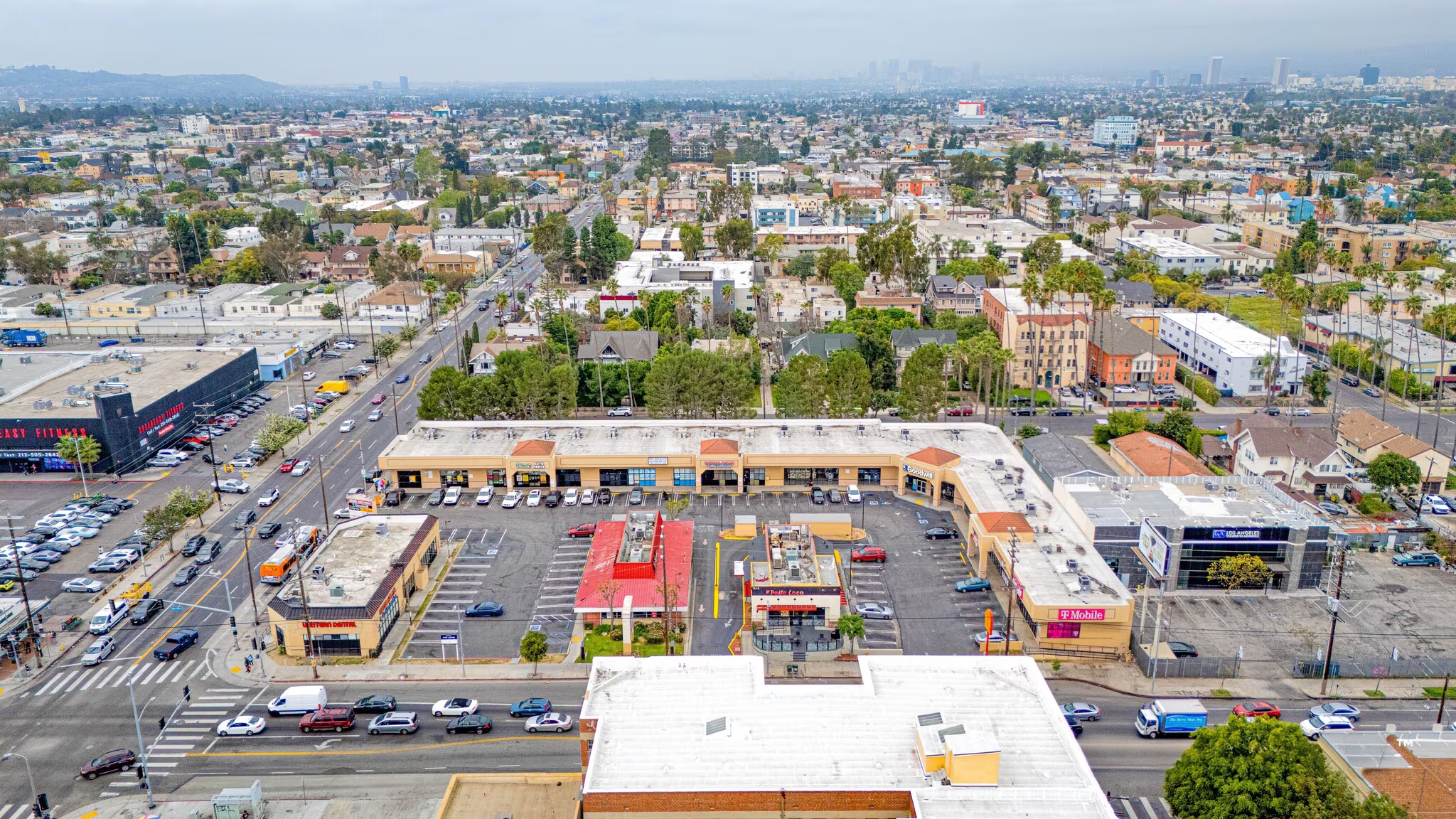
Los Angeles retail and industrial combined for over $6.0B in transaction volume year to date, proving that buyer liquidity remains strong for quality assets. Meanwhile, hospitality RevPAR grew 4.4% YoY, but pricing power cooled, shifting hotel revenue growth from rate expansion to occupancy and steady demand.
“The September rate hike reinforced the value of transitional capital in a market where property fundamentals and financing conditions remain disconnected. At BOLOUR, we underwrite to in-place income, structure around downside protection, and deliver rapid execution certainty when traditional lenders pull back. Market opportunity remains strong in 2026. Let’s discuss your next deal.”
— Mark Bolour, CEO